Archive for the ‘Books’ Category
Tuesday, June 25th, 2024
These are the last two books from that estate auction I’m incorporating into my own library.
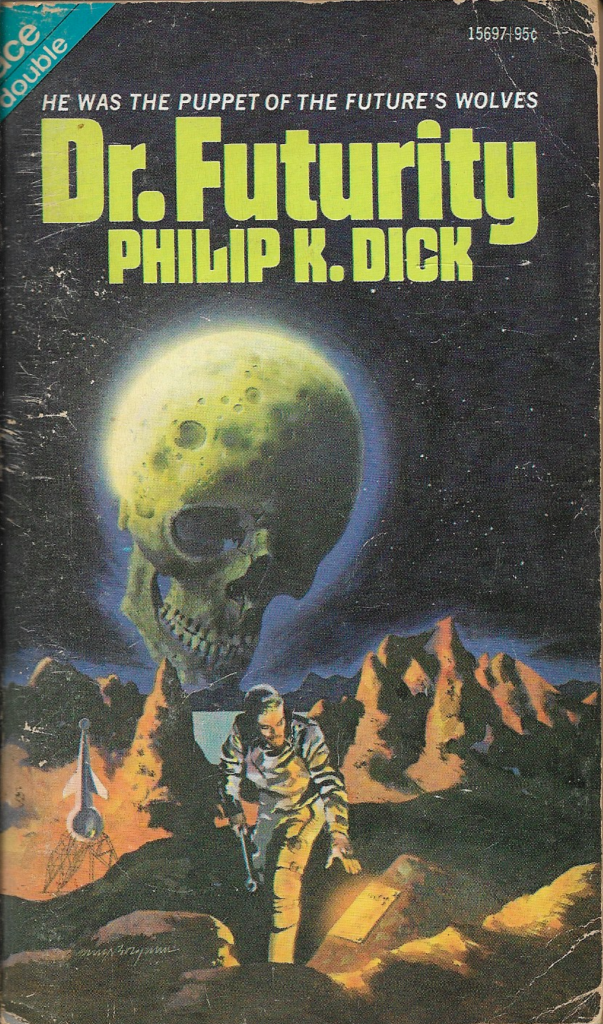
Dick, Philip K. Dr. Futurity with The Unteleported Man. Ace, 1972. First edition thus (each book previously published with other Ace Doubles), stating “Second Ace printing, September 1972,” a Near Fine copy with slight bumping at corners, slight wear along spine, foxing around edges of interior covers, and slight age darkening of pages. Levack, 14.c and 43.c. Wintz and Hyde, Precious Artifacts SF8.2 and SF29.2. Supplements the Ace PBO first of Dr. Futurity (back to back with John Brunner’s Slavers of Space), the Centipede Press first hardback of Dr. Futurity, the Ace PBO first of The Unteleported Man (back to back with Howard L. Cory’s The Mind Monsters), the Berkley PBO first of the expanded edition of The Unteleported Man, and the Gollancz hardback first of Lies, Inc. featuring the expanded text.
Dick, Philip K. The Golden Man. Berkley, 1980. First edition paperback original, a Near Fine copy with one spine crease and a trace of edgewear. Short story collection. Levack, 20.a. Wintz and Hyde, Precious Artifacts COL6.a. Supplements a copy of the SFBC (first hardback) edition.
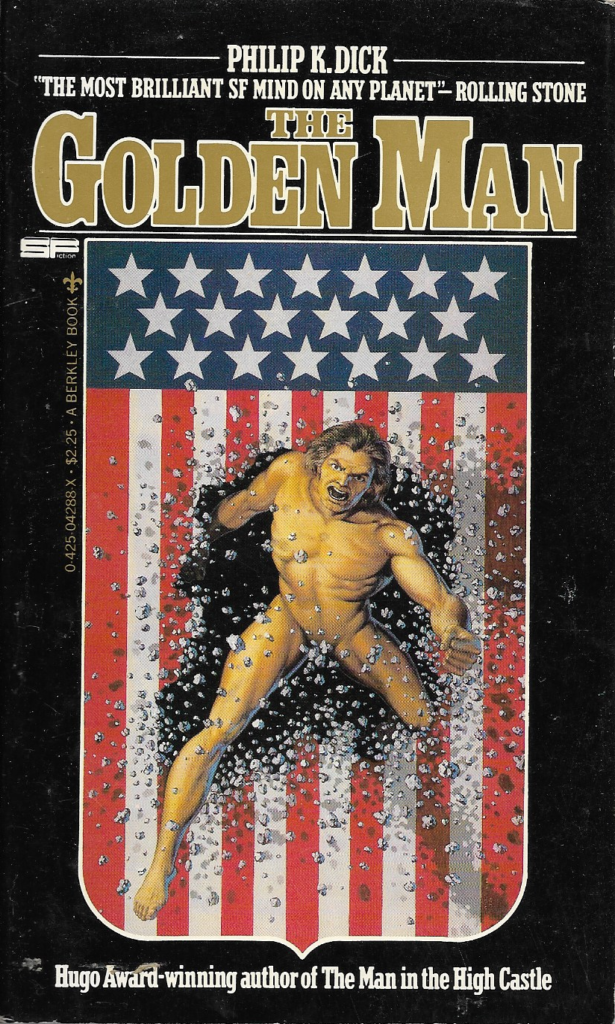
I picked up a lot of Dick paperbacks (among other books) that will be available in the next Lame Excuse Books catalog.
Tags:Books, PBO, Philip K. Dick, Science Fiction
Posted in Books, Science Fiction | No Comments »
Monday, June 24th, 2024
The first of these is a somewhat odd Lansdale item I passed up when first offered, while the other two are new books in from their publishers.
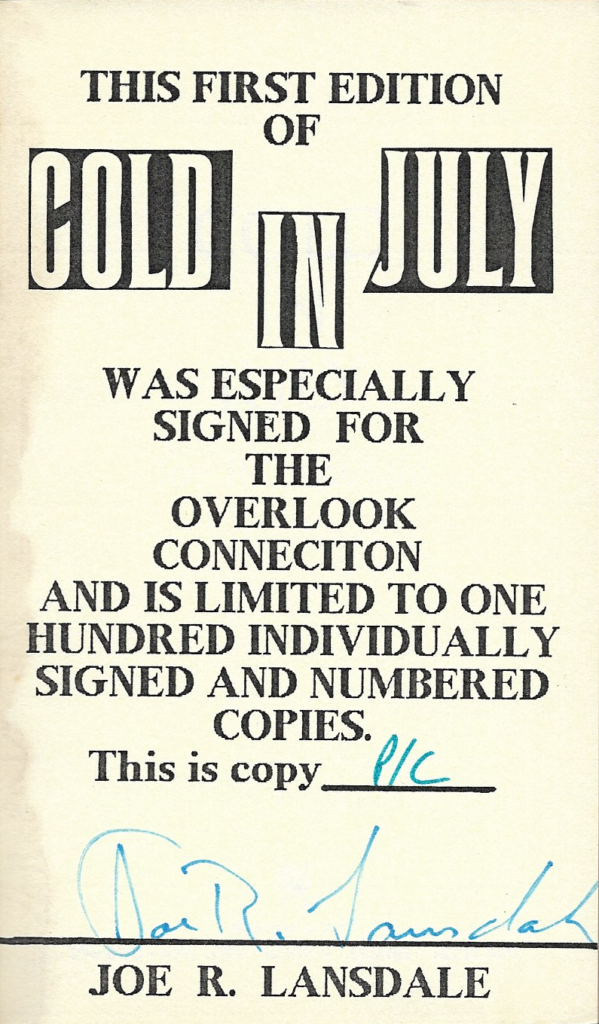
Lansdale, Joe R. Cold in July. Bantam, 1989. First edition paperback original, a Fine- copy with slight wear to top front corner, a P/C copy of 100 copies prepared for The Overlook Connection in a custom slipcase (this one Near Fine with a couple of faint spots to rear, one to back spine, and slight age darkening at top, bottom and left edge) with a custom signature page for Lansdale tipped in. I always thought the Overlook Connection aftermarket slipcased PBO limiteds were weird things, and didn’t pick them up when they came out. (I think this may have been offered at $50, and the Drive-In set (which I also have) at $100, but I might be misremembering.) Isakjanko A011.a (though he does not mention this Overlook Connection variant). Nova Express Lansdale bibliography, 1.5.a (and I did mention this version). Supplements multiple slipcase sets of the Ziesing Cold in July/Savage Season sets (a signed PC set I received for helping type this novel into a computer from galley proofs, a signed numbered set, and an inscribed “mock limited” set that Ziesing assembled and sold because he had extra slipcases left over). Bought online for $24.99.
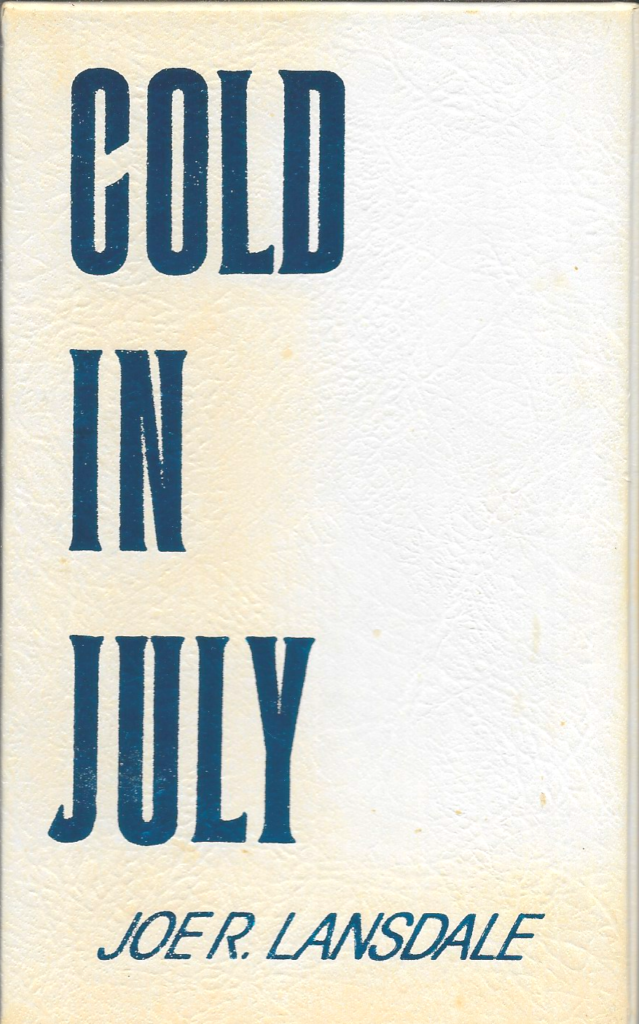
Note: The scanner wasn’t picking up the blue of the lettering, so I had to turn the saturation way up, with the side effect that the very slight age darkening on the left side and at bottom has been greatly exaggerated.
Lansdale, Joe R. The Donut Legion. Short Scary Tales (SST) Press, 2024. First limited edition hardback, #101 of 500 signed, numbered copies, a Fine copy in a Fine dust jacket with tissue closure sticker and shipping card laid in. Supplements a copy of the first trade edition (which precedes) inscribed to me.

Lansdale, Joe R. The Unlikely Affair of the Crawling Razor. Subterranean Press, 2024. First edition hardback, #368 of 1000 signed, numbered copies, a Fine copy in a Fine dust jacket, in publisher’s plastic bag. Auguste Dupin investigate a case involving The God of the Razor.
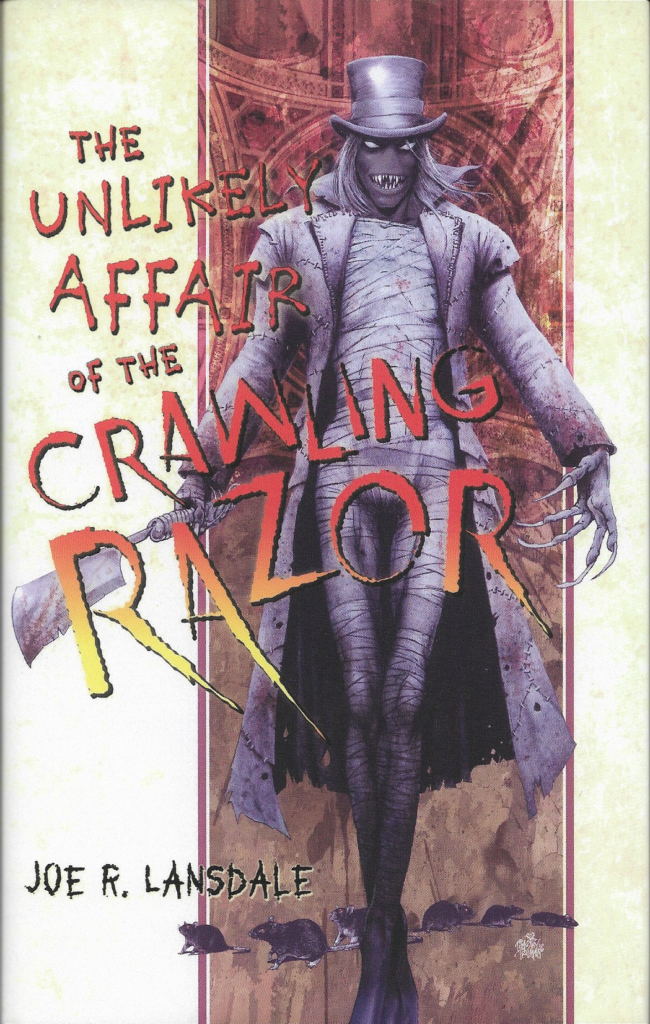
I will have copies of the SST Donut Legion and The Unlikely Affair of the Crawling Razor available in the next Lame Excuse Books catalog.
Tags:Books, Horror, Joe R. Lansdale, Limited Editions, Mystery, signatures
Posted in Books, Horror, Kickstarter | No Comments »
Friday, June 21st, 2024
Over the years I’ve tended to pick up fewer and fewer anthologies, mainly because I haven’t been reading them as much, and they’re almost always available in nice condition on the used market for considerably less than cover price. Such as these two anthologies, which I considered picking up when they came out but ultimately didn’t. These are the last two hardback books for my own library from that estate purchase.
Kessel, John, Mark L. Van Name and Richard Butner, editors. Intersections: The Sycamore Hill Anthology. Tor, 1996. First edition hardback, a Fine copy in a Fine- dust jacket with faint haze rubbing. Original anthology of Sycamore Hill participants, including Bruce Sterling’s award-winning “Bicycle Repairman.”
Rucker, Rudy, Peter Lamborn Wilson and Robert Anton Wilson, editors. Semiotext(e) SF. Autonomedia, 1989. First edition trade paperback original, a Fine- copy with slight bump to front corner. Anthology with both a lot of recognizable SF names (William Gibson, Bruce Sterling, Lewis Shiner, Philip Jose Farmer, Robert Sheckley, etc.) and a lot of counterculture figures (William S. Burroughs, Ivan Stang, Kerry Thornley, etc.) Part of that Autonomedia/RE:Search/Fringeware axis of post-punk SF that flourished in the late 80s and early 90s. If you don’t own a copy of Modern Stories #1 (I do), this is the only place to find Gibson’s “Hippie Hat Brain Parasite.”
Tags:anthology, Books, Bruce Sterling, Robert Anton Wilson, Rudy Rucker, Science Fiction, William Gibson
Posted in Books, Science Fiction | No Comments »
Wednesday, June 19th, 2024
Four more books from that estate purchase.
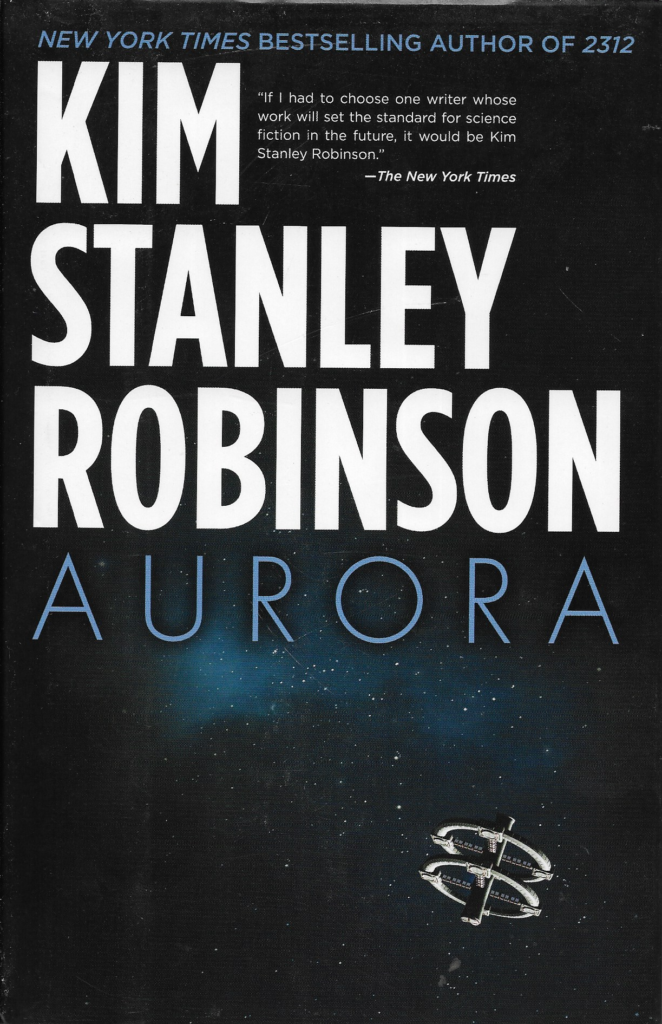
Robinson, Kim Stanley Robinson. Aurora. Orbit, 2015. First edition hardback, a Fine copy in a Fine- dust jacket with just a trace of wear at points. Generation ship novel.
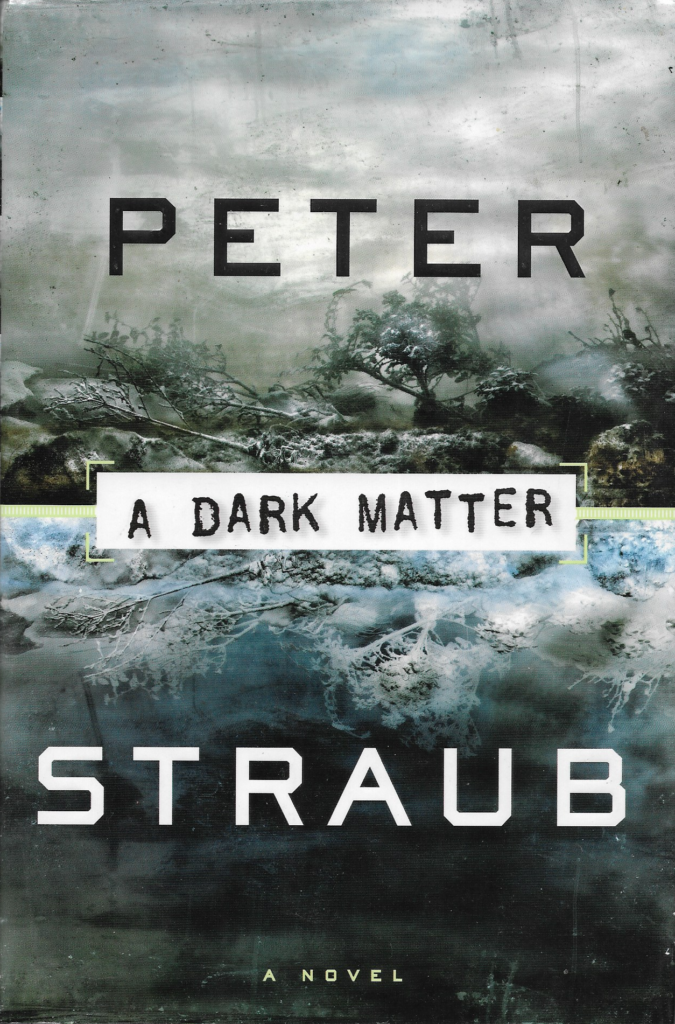
Straub, Peter. A Dark Matter. Doubleday, 2010. First edition hardback, a Fine-/Fine copy with slight bend at head and heel. Stoker Award winner.
Walton, Jo. Or What You Will. Tor, 2020. First edition hardback, a Fine copy in a Fine dust jacket. A fictional character plots an escape from his writer’s mind. For some reason, there do not seem to be a lot of copies out there in the wild for so recent a book.

Watts, Peter. Echopraxia. Tor, 2014. First edition hardback, a Fine- copy in a Near Fine dust jacket with a long, very thin scratch to front cover, and slight bend at head and heel. Sequel to Blindsight. Supplements both a first of Blindsight and the Centipede Press signed/limiteds of both Blindsight and Echopraxia.

Tags:Books, Fantasy, Horror, Jo Walton, Kim Stanley Robinson, Peter Straub, Peter Watts, Science Fiction
Posted in Books, Fantasy, Horror, Science Fiction | No Comments »
Monday, June 17th, 2024
More books from that recent estate purchase.
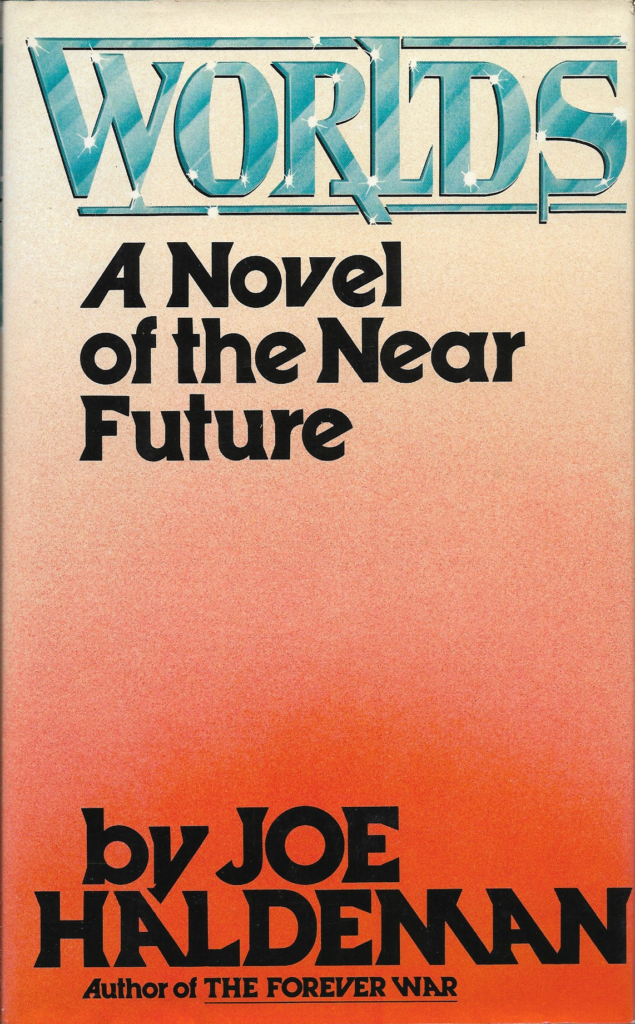
Haldeman, Joe. Worlds: A Novel of the Near Future. Viking, 1981. First edition hardback, a Near Fine+ copy with two tackhead sized spots to rear boards, slight spotting to bottom page block and slightly dusty top page block, in a Near Fine+ dust jacket with a faint crease at top spine. Completes my collection of the Worlds trilogy.
Liu, Cixin. The Dark Forest Tor, 2015. First edition hardback thus and first English language edition, a Fine-/Fine- copy with slight bumping at head, heel and points. Sequel to The Three-Body Problem and second in the Remembrance of Earth’s Past trilogy. One of the books I noticed in the collection was a hardback copy of The Three-Body Problem, but it and Death’s End were later printings, but this was a true first. What I didn’t realize was that firsts of this seem quite pricey as well.

McDonald, Ian. Luna: New Moon. Tor, 2015. First hardback edition (the Gollancz trade paperback edition evidently precedes by five days), a Fine copy in a Fine dust jacket. First in the Luna trilogy. I’m way behind on my McDonald, and haven’t even read the Everness trilogy (the one before this one) yet.
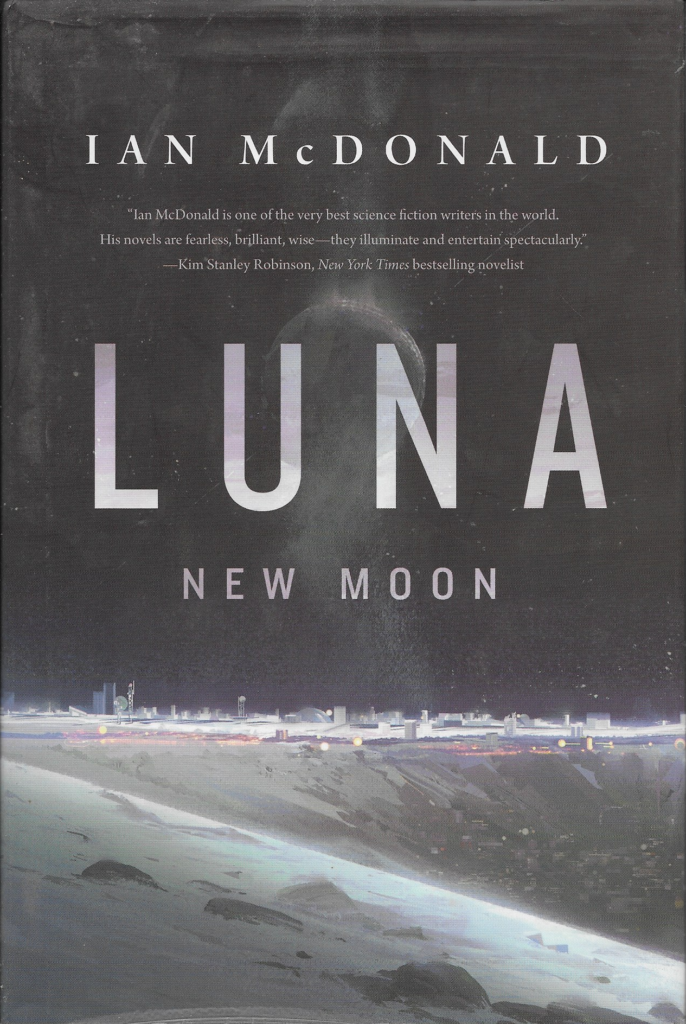
McDonald, Ian. Luna: Wolf Moon. Tor, 2017. First hardback edition (the Gollancz trade paperback edition of this also evidently precedes by five days), a Fine copy in a Fine dust jacket. Second in the Luna trilogy.

Tags:Books, Cixin Liu, Ian McDonald, Joe Haldeman, Science Fiction
Posted in Books, Science Fiction | No Comments »
Wednesday, June 12th, 2024
A science fiction associate put out a call for help with the science fiction library of an Austin area friend of his who died. Despite living in the area, this friend evidently didn’t make any local friends or visit any SF events or signings. He had a few modern SF books worth buying, either for myself or to deal through Lame Excuse Books, which I picked up for a combined price. This set was the best thing from that purchase.
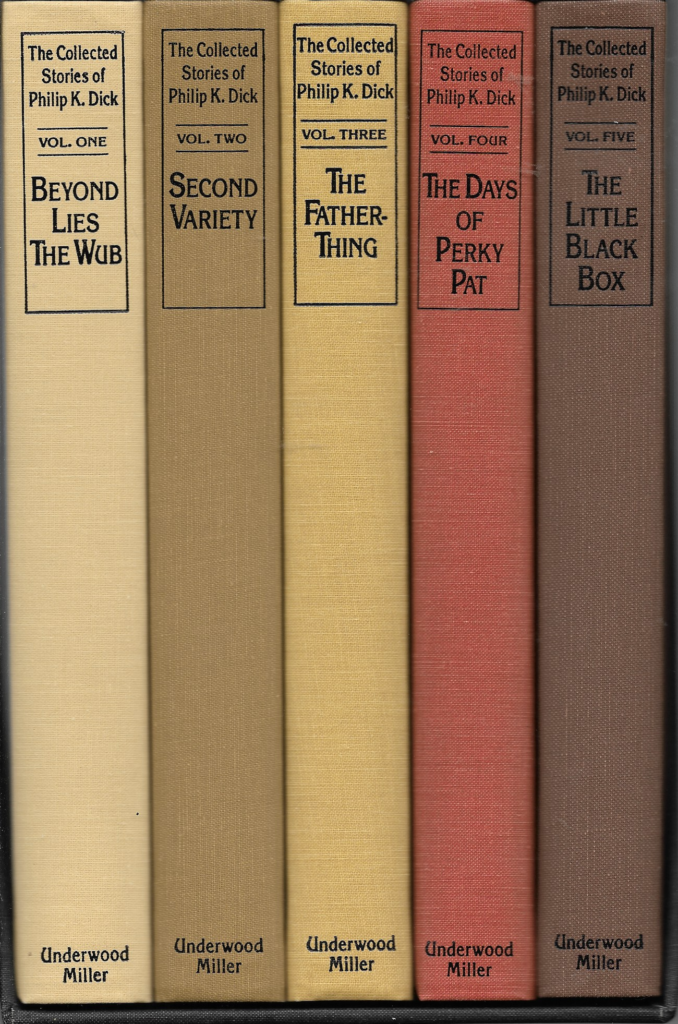
Dick, Philip K. The Collected Stories of Philip K. Dick, Volumes One Through Five (Beyond Lies the Wub, Second Variety, The Father-Thing, The Days of Perky Pat, The Little Black Box). Underwood Miller, 1987. First edition hardback, #135 of 400 numbered copies, all Fine copies in a Fine slipcase, sans dust jackets, as issued, with chapbook for Brief Synopsis for an Alternate World Novel: The Acts of Paul laid in. Wintz and Hyde, Precious Artifacts COL8.3 (though they erroneously state 300 rather than 400 sets). Chalker/Ownings, page 438. Supplements an unnumbered set (the varying shades of red set) and the later Subterranean Press set.
Tags:Books, Fantasy, Horror, Philip K. Dick, Science Fiction, small press publishers, Underwood/Miller
Posted in Books, Fantasy, Horror, Science Fiction | No Comments »
Monday, June 10th, 2024
Two critical companions, both bought at Half Price Books.
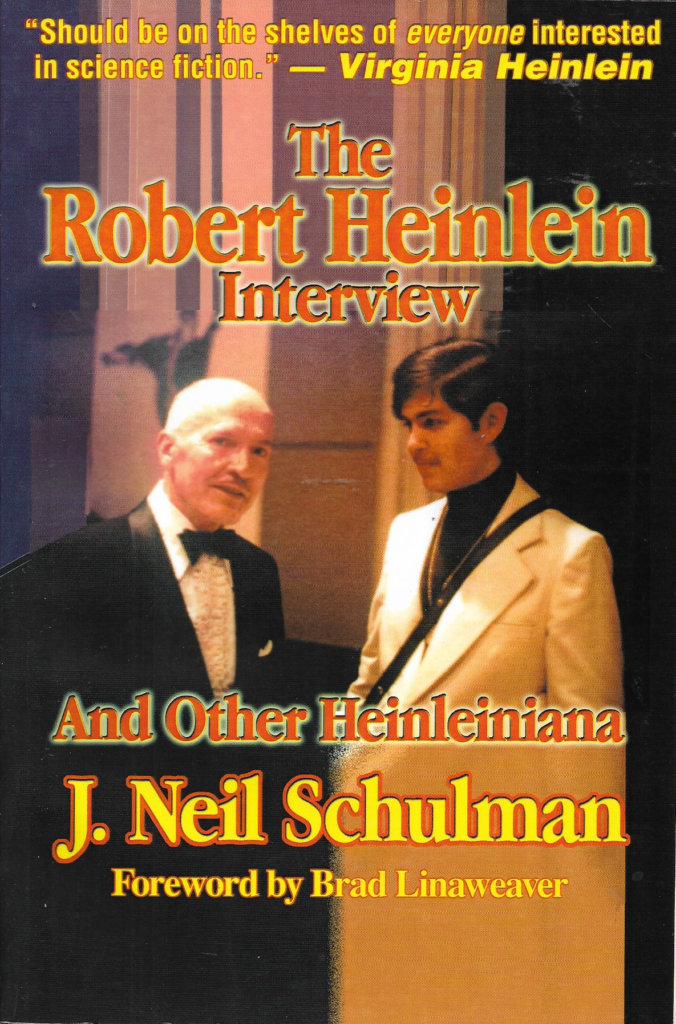
(Heinlein, Robert A.) J. Neil Schulman. The Robert Heinlein Interview and Other Heinleiniana. Pulpless.com, 1999. First edition trade paperback edition thus (there was a previous digital edition, but this is the first hardcopy version), a Near Fine- copy with creases to both rear corners. Long interview with Heinlein conducted in 1975, along with reviews of his works, letters, etc. I don’t think I’ve ever seen a copy of this before. Bought for $8.99.
(Pratchett, Terry) Burrows, Marc. The Magic of Terry Pratchett. White Owl, 2020. First edition hardback, a Fine copy in a Fine dust jacket. Critical companion to Pratchett’s works. Bought for $6.29.
Tags:Books, Fantasy, Half Price Books, J. Neil Schulman, reference works, Robert A. Heinlein, Science Fiction, Terry Pratchett
Posted in Books, Fantasy, Science Fiction | No Comments »
Tuesday, June 4th, 2024
One signed by the author, another by the editor.
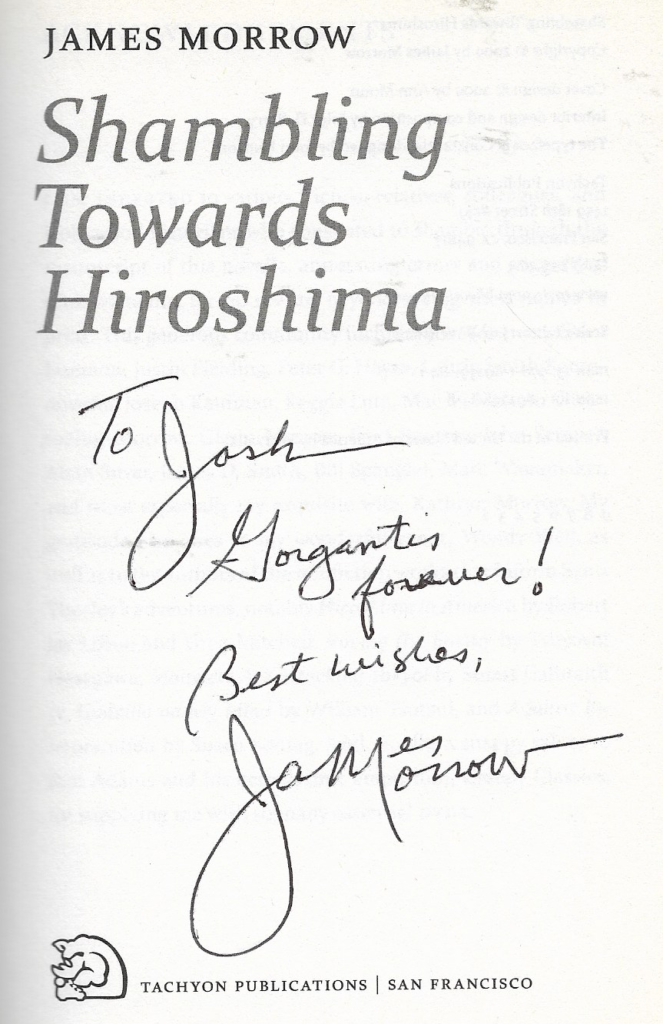
Morrow, James. Shambling Toward Hiroshima. Tachyon, 2009. First edition trade paperback original, second printing, a Fine copy, inscribed by Morrow: “To Josh,/Gorgantis Forever!/best wishes, James Morrow.” Novel of a psyop project in 1945 to make a kaiju movie to convince the Japanese to surrender. Not sure why I didn’t pick up a copy of this from Tachyon when first announced. Bought for $5.99 from Half Price Books.
Poe, Edgar Allen (Thomas Monteleone, editor). A Little Gold Book of Grotesqueries. Borderlands Press, 2024. First edition hardback, #463 of 500 numbered copies signed by Monteleone, a Fine copy, sans dust jacket, as issued. Bought from the publisher at the usual discount.
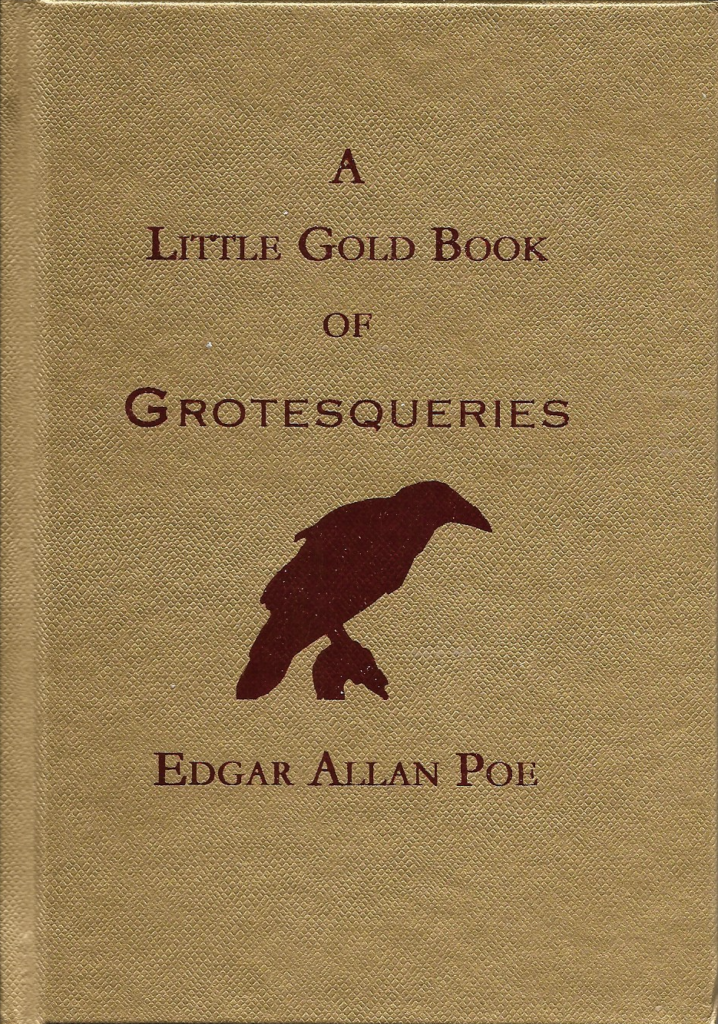
I will have copies of this in the next Lame Excuse Books catalog (probably November).
Tags:Books, Borderlands Press, Edgar Allen Poe, Horror, James Morrow, kaiju, Science Fiction, small press publishers, Tachyon
Posted in Books, Fantasy, Science Fiction | No Comments »
Thursday, May 30th, 2024
This was an odd auction lot that I won for the opening bid. It’s three signed firsts, only two of which are signed by the author, and are a diverse bunch that seldom have the same collectors buying them.
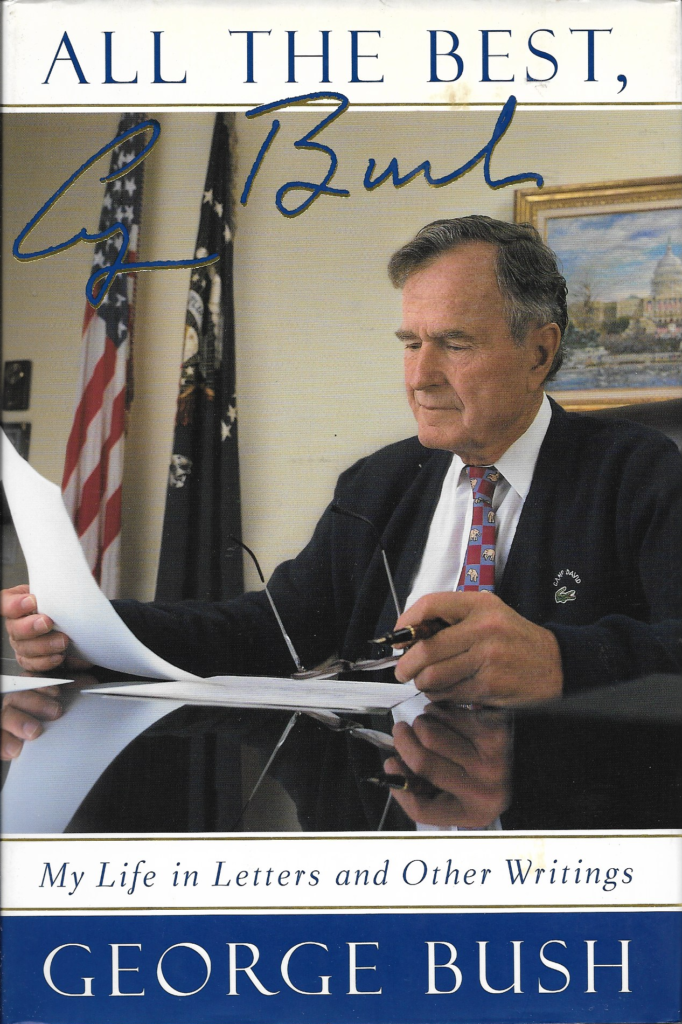
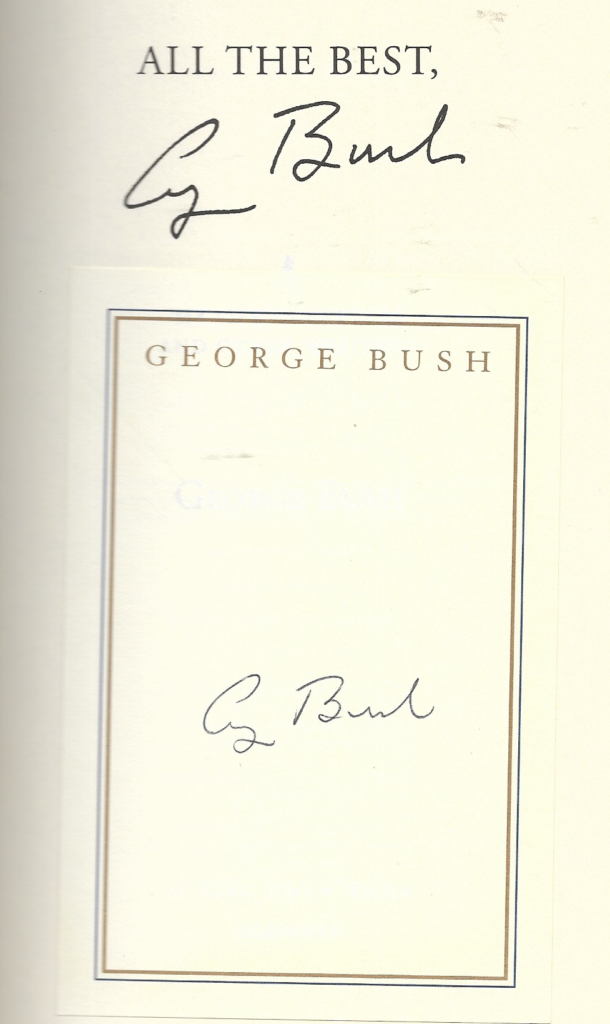
Bush, George H. W. All the Best: My Life in Letters and Other Writings. Lisa Drew/Scribner, 1999. First edition hardback, a Fine-/Fine- copy with just a tiny bit of bend at head and heel, signed by Bush on a bookplate on the half title page. (Note: All copies come with a printed signature on that page, but this is an actual signed bookplate below that.) Autobiography of the 41st President of the United States of America. I have two books signed by Bush43, but this is the first one I’ve picked up signed by Bush41.
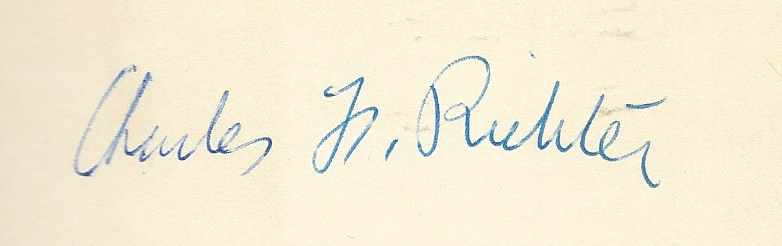
Conklin, Groff. Big Book of Science Fiction. Crown Publishers, 1950. First edition hardback ($3.00 price on dust jacket, as per ISFDB), a Very Good+ copy with bumping at head and heel, spine slightly concave, wrinkles at head and blunting of points, in a Very Good dust jacket with creasing, rubbing and small tears at head and heel, long crease at top front, slight fading to spine, 1/4″ closed tear to top front flap, wear at points, and slight edgewear, with previous purchase slip laid in, and former owner name on front free endpaper. The owner was Charles Richter, whose name I didn’t recognize in the auction listing. I thought it might have been the author of one of the stories in the anthology, and didn’t assign any value when calculating a lot price for the Bush and Dunsany volumes, as I don’t typically collect reprint anthologies. Turns out it’s seismologist and physicist Charles Richter, as in “Richter Scale.” A card with his signature evidently sold for $202 in 2010. Conklin edited numerous science fiction reprint anthologies, and his signature is evidently quite uncommon. Bleiler, Science Fiction: The Early Years page 151 (included for three science fiction stories difficult to find elsewhere). Reginald, Science Fiction and Fantasy Literature: A Checklist 03270.

Dunsany, Lord (Edward John Moreton Drax Plunkett, 18th Baron of Dunsany). The Chronicles of Rodiguez. G. P. Putnam’s Sons, 1922. First edition hardback (Currey state A), #148 of 500 copies, signed by Dunsany below his Preface and illustrator Syndney Sime below his frontispiece illustration, a Very Good copy with various rubs and touches of wear, abrasion wear to spine label, blunting of points, and several small foxing spots to pages throughout, lacking the dust jacket. An elaborate production, with paper vellum pages and marbled endpapers. Currey, page 168. Locke, A Spectrum of Fantasy page 74. I lacked both Dunsany and Sime signatures in my collection before acquiring this.
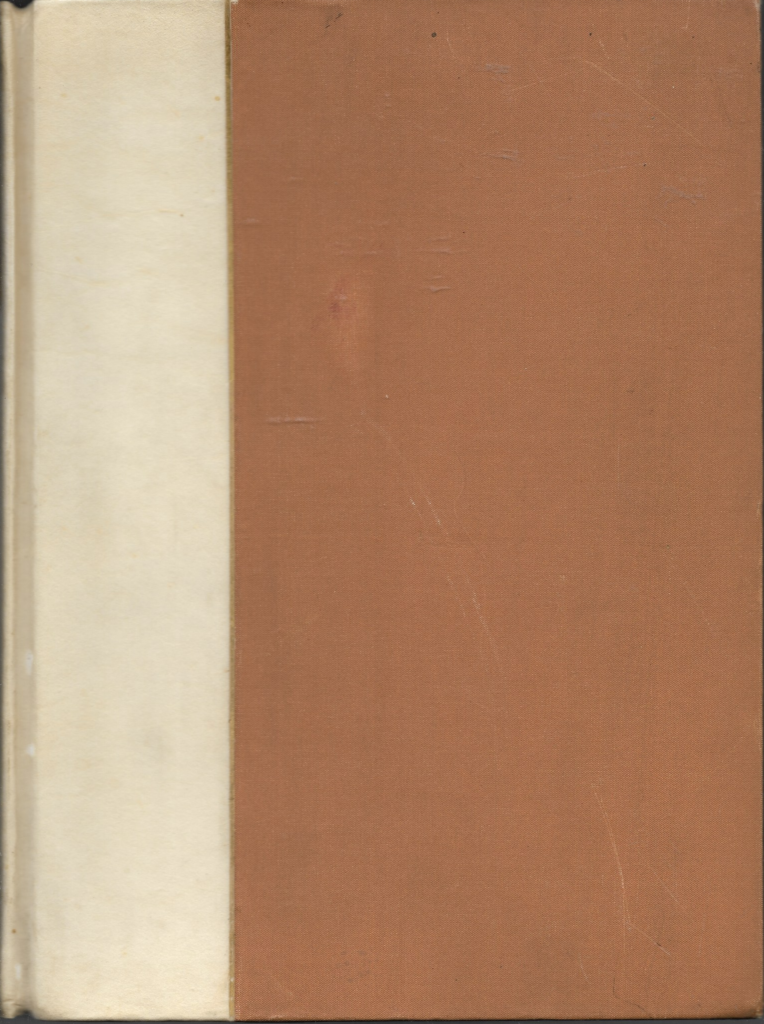
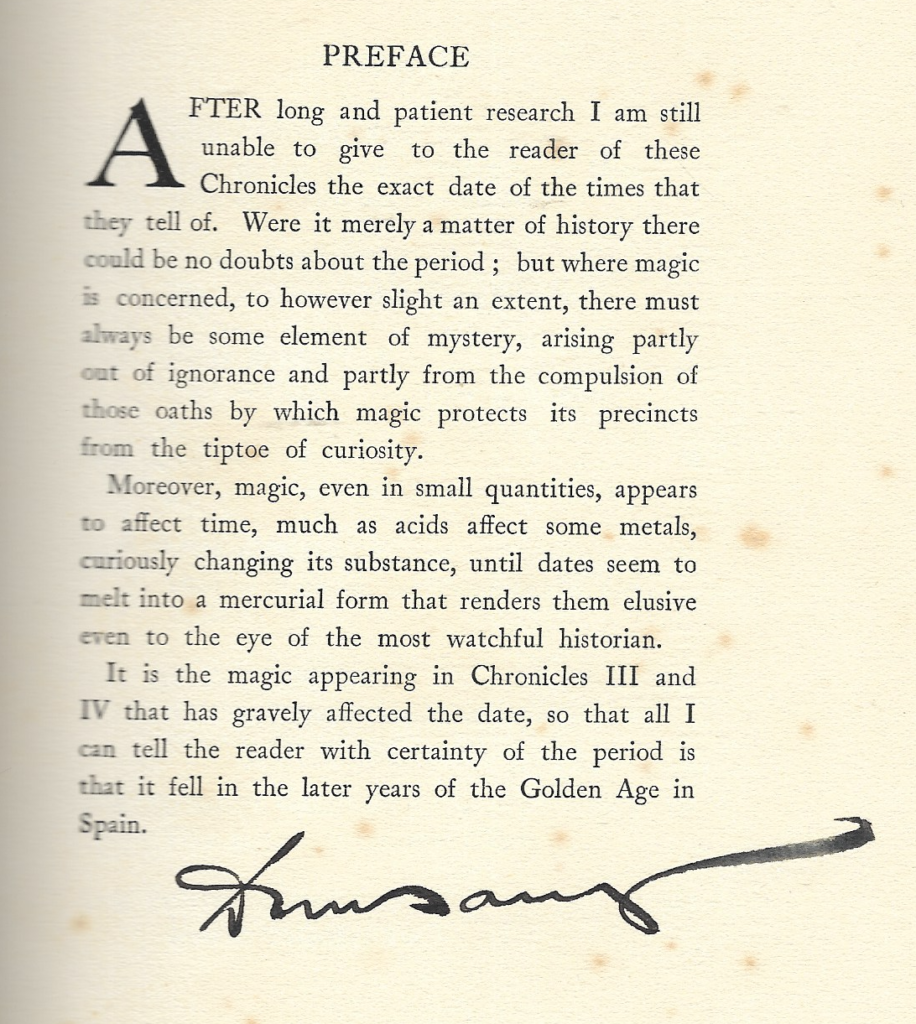
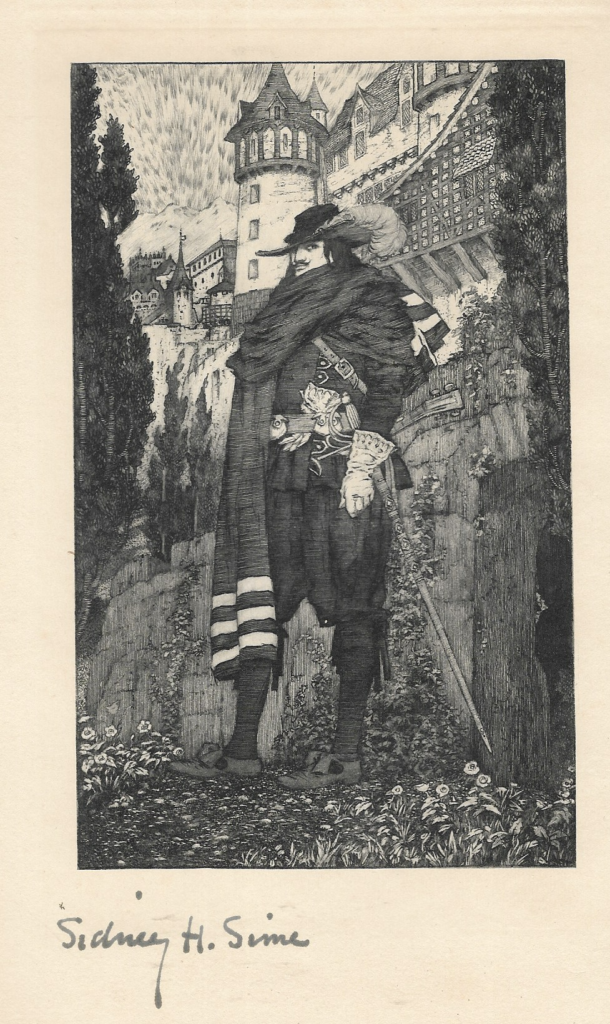
All bought off an Invaluable auction for the opening bid of $190 ($243 after buyer’s premium).
Tags:anthology, Books, Fantasy, George H. W. Bush, Groff Conklin, Lord Dunsany, Science Fiction, signatures, signed
Posted in Books, Fantasy, Science Fiction | No Comments »
Tuesday, May 14th, 2024
I already had a copy, but this one popped as both signed and listed at a bargain price, so I jumped on it.
Vance, Jack. Coup de Grace and Other Stories. Vance Integral Edition, 2001. First edition hardback, a Fine- copy with a dozen pinpricks to light spotting to top page block and a tiny trace of wear at head, heel and points, sans dust jacket, as issued, matching the appearance of the “Reader’s Edition” of the Vance Integral Edition, signed by Vance (characteristic of Vance’s late, overlapping signature after he went blind). Short story collection done as a “preview” edition to generate interest in the VIE project. Offered at $75. Chalker & Owings (2002), page 946. Chalker & Owings list a print run of 1,000 copies, which seems too high given the relative scarcity of the title, though several were evidently distributed at the Frankfurt Book Fair. Bought from Half Price Books on the Internet for $50.
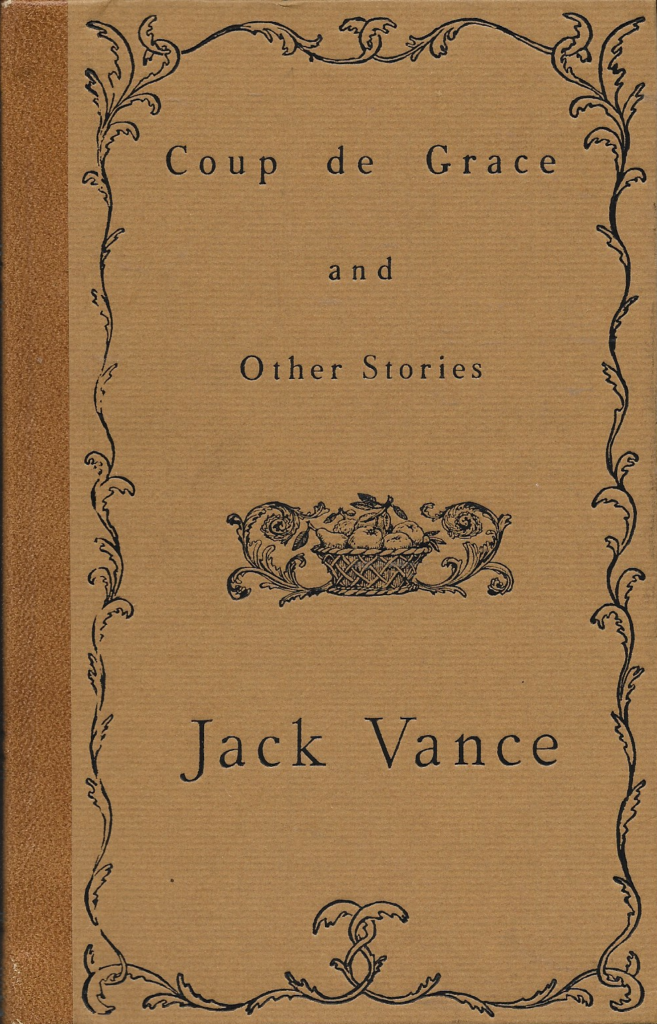
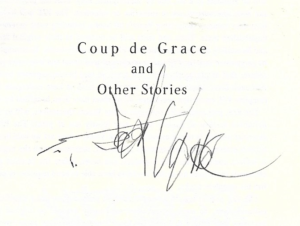
Since I already have a copy for sale, I’m inclined to keep both this and the slightly better, unsigned copy. So I now have a 48 volume VIE set: the 44 volume initial set being #62 of 200 with Volume 44 signed by Vance, plus two copies of Coup de Grace and Other Stories, one signed, plus Strange She Hasn’t Written/Death of a Solitary Chess Player/The Man Who Walks Behind (AKA 14 bis) and The Languages of Pao and The Dragon Masters with signed VIE project bookplates laid in, and the latter in the proof dust jacket I obtained from the Vance estate.
Whey yes, I am feeling unreasonably smug about it. Thanks for asking.
Tags:Books, Half Price Books, Jack Vance, Science Fiction, signatures, small press publishers, Vance Integral Edition
Posted in Books, Science Fiction, technology | No Comments »