No director probably ever had three films back to back as good as William Friedkin (who just died at age 87) did in the 1970s. The French Connection, The Exorcist and Sorcerer are each truly great films that stand the test of time. The first two made a ton of money (justifiably). The third one didn’t, but has one of the greatest, tensest scenes of all time.
Friedkin let the success of those first two go to his heads, and then a string of flops (including Cruising, a film that, like The Last Temptation of Christ, alienated its only potential audience) put him out of favor in Hollywood.
He also directed a pretty swell episode of the 1980s Twilight Zone reboot.
He had a wealth of talent, I just wish we had more first rate films from him.
A little out of line with what I usually buy, but I thought the limitation was low enough to be worth picking up.
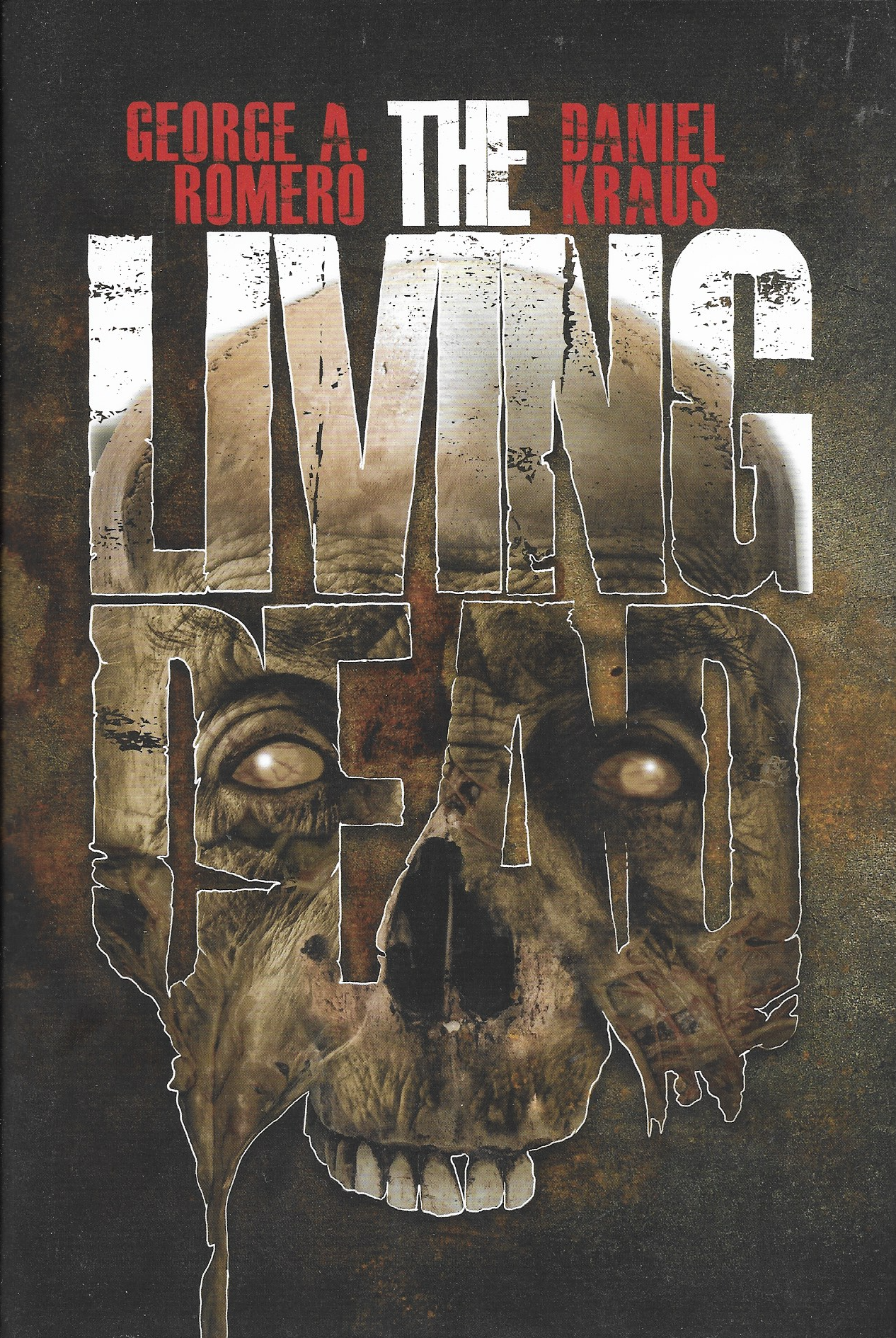
Romero, George A. and Daniel Kraus. The Living Dead. Short Scary Tales (SST) Publications, 2023. First edition hardback, 322 of 400 copies signed by Suzanne Romero, Daniel Kraus, Vincenzo Natali and Francois Vaillancourt, a Fine copy in a Fine dust jacket. Hefty 736 page original novel set in Romero’s Living Dead universe. Now sold out from the publisher, though I do have one copy available through Lame Excuse Books.
Two PS Publishing titles, both bought from the publisher at the usual discount.
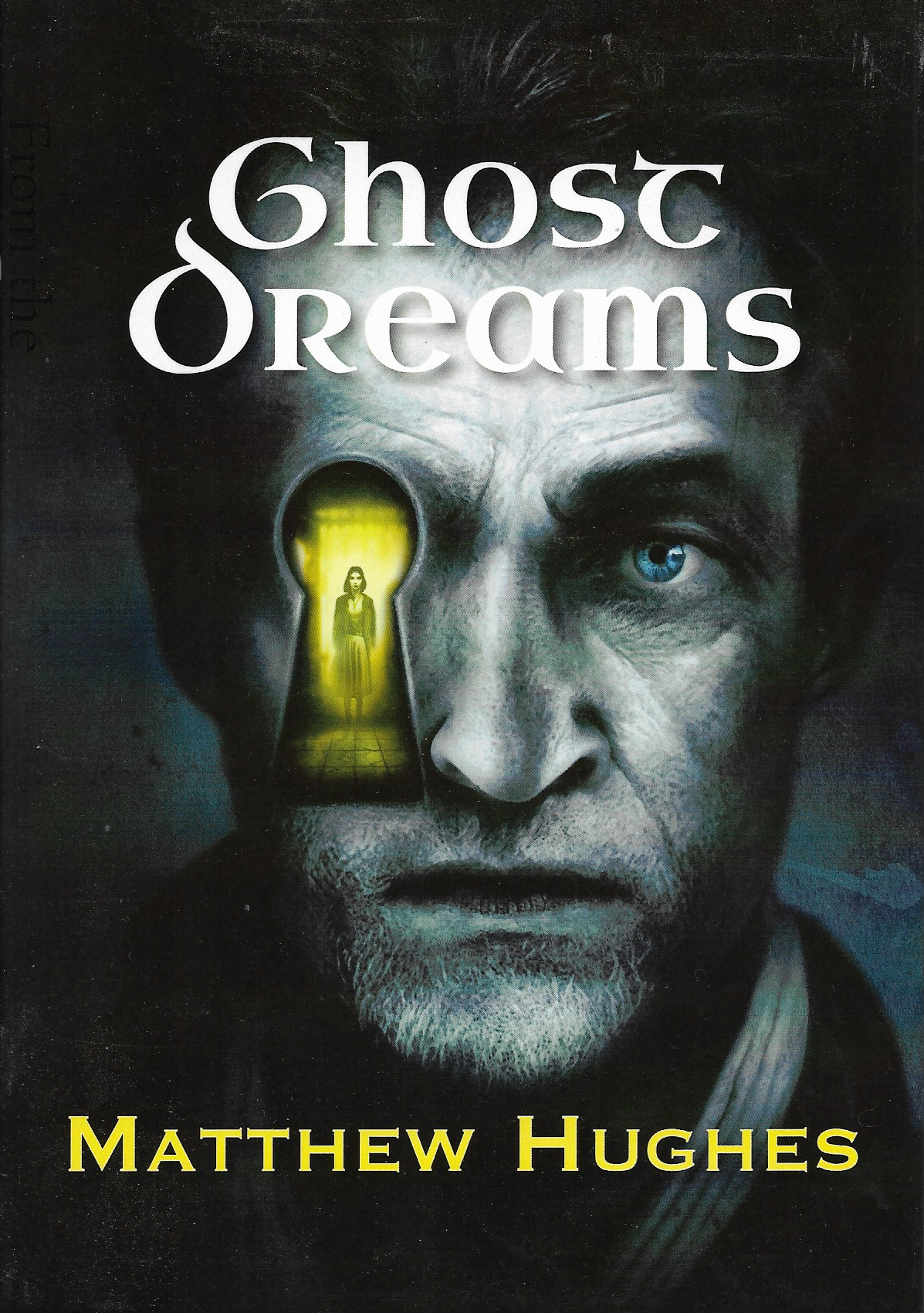
Hughes, Matthew. Ghost Dreams. PS Publishing, 2022. First edition hardback, #55 of 100 signed, numbered copies, a Fine copy in a Fine dust jacket.
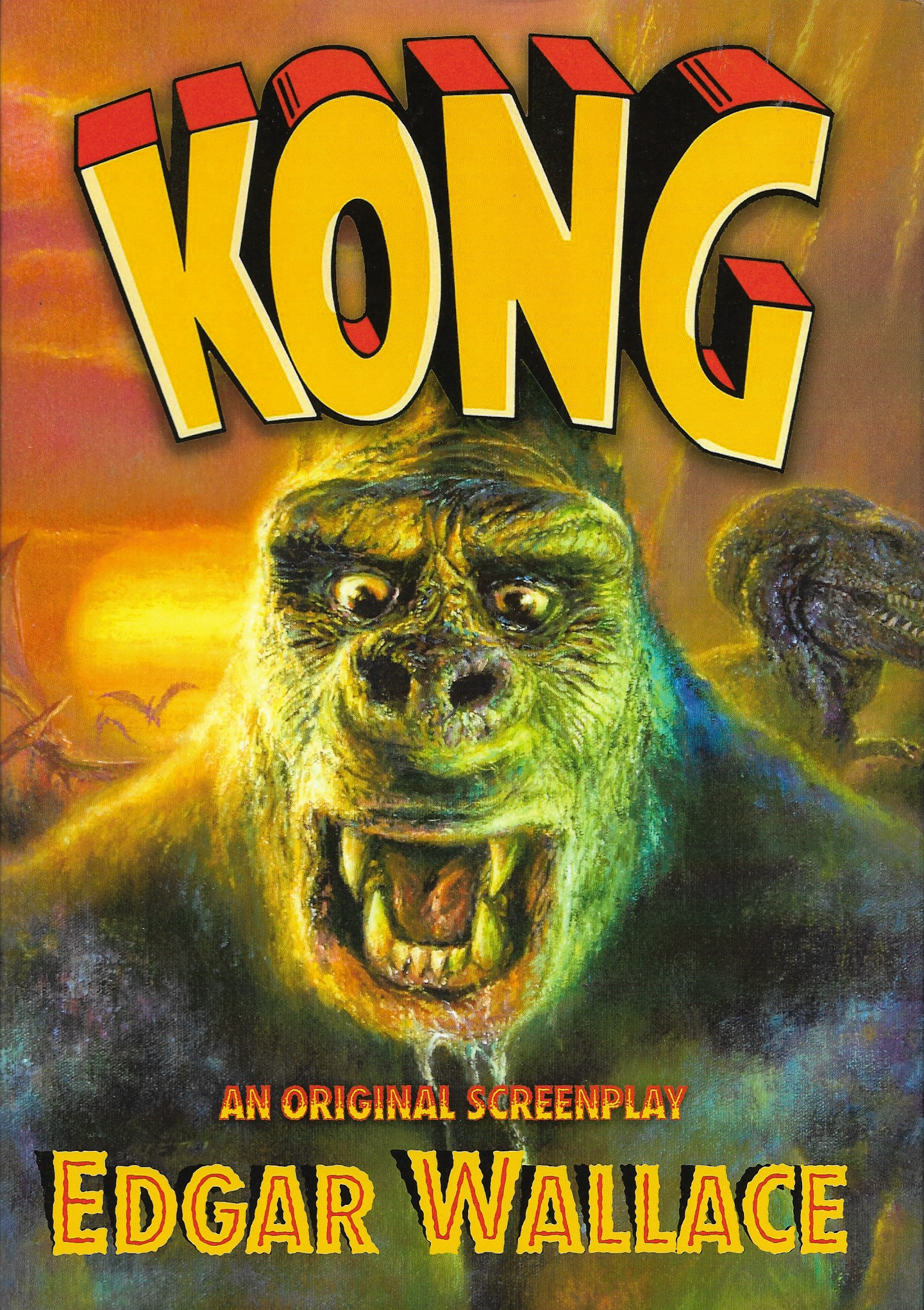
Wallace, Edgar (Stephen Jones, editor). Kong: An Original Screenplay. PS Publishing/Electric Dreamhouse, 2023. First edition hardback, a Fine copy in a Fine dust jacket. The original screenplay for King Kong, which evidently differs considerably from the final film. Slightly oversized (10 1/2″ high) and profusely illustrated, with a good 90 pages of notes from Jones, who worked from “Wallace’s personal copy of his original draft script with his own corrections and interpolations” plus “a boys’ story-paper adaptation of the film, preliminary production stills and art-work, and a colour portfolio of King Kong posters from around the world.” A couple of production sketches are from the lost spider pit scene.
Hyperlilly evidently hale from Cologne, Germany. Not a fan of the video (static band shots + mild psych color filters), but the song reminds me of Auburn Lull crossed with a bit of M83.
I checked out of Star Wars after The Force Awakens was just “meh” and everyone told me the sequels were much worse and Disney proceeded to screw every single pooch. But here’s a Star Wars movie I would totally watch:
It’s been a while since I did one of these, and more than seven years since I did a Beach House song, so here’s “Space Song,” featuring footage of a science fiction film I bet you’re familiar with.
This is less a book than a weird art assemblage. Seeing this on Kickstarter, I figured that the overlapping Venn diagrams of crazy Stephen King fans and crazy Stanly Kubrick fans justified a purchase.
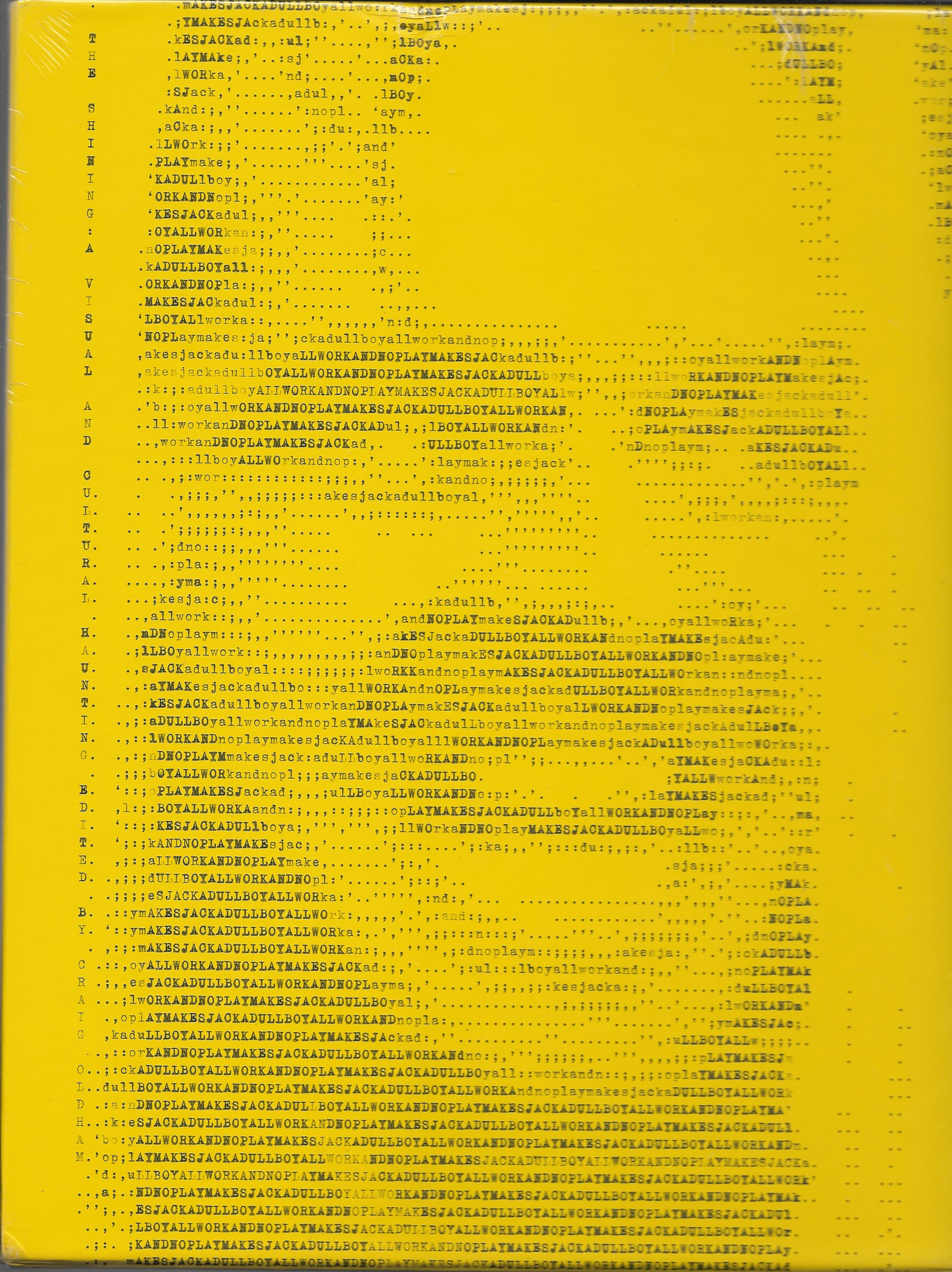
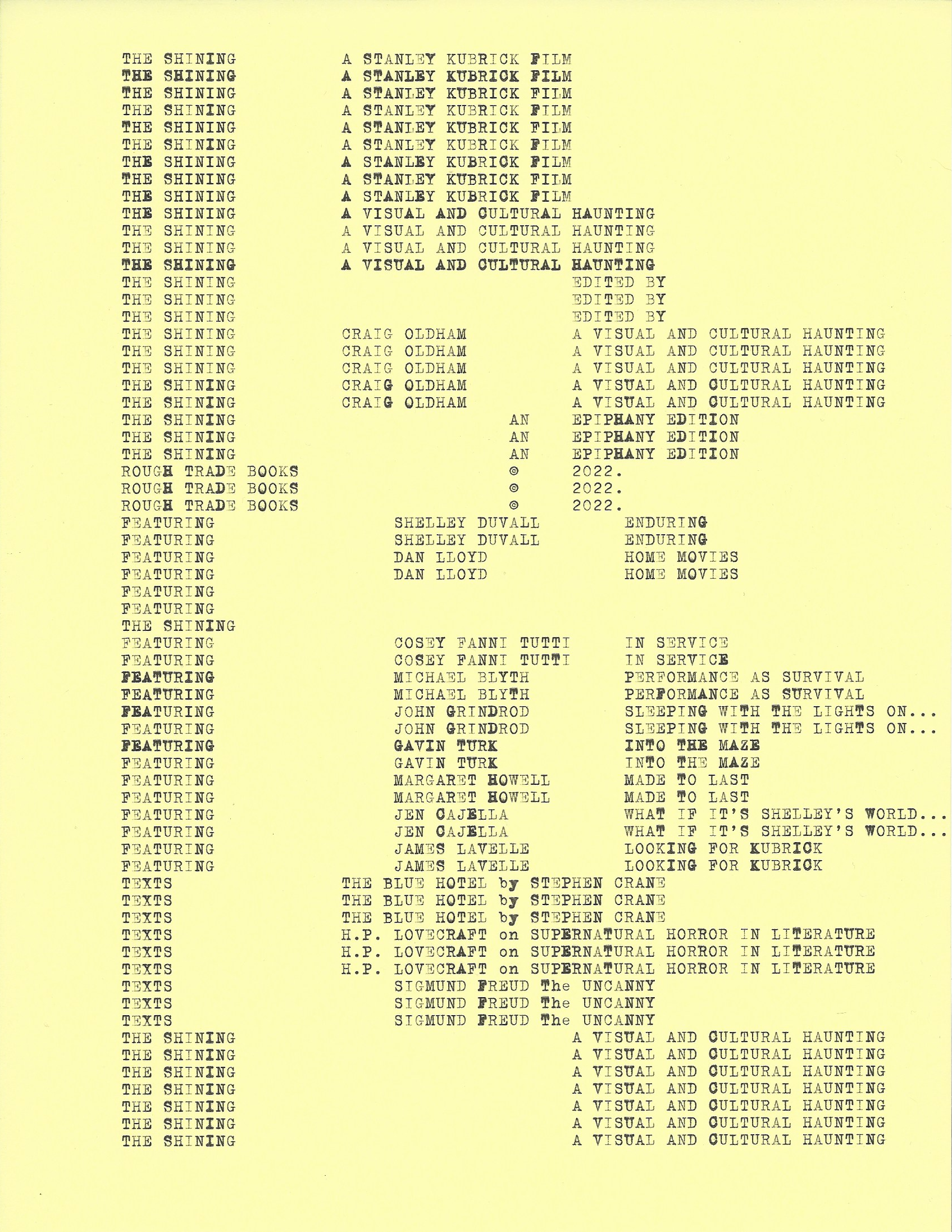
(King, Stephen and Stanley Kubrik) Oldham, Craig, editor. The Shining: A Visual and Cultural Haunting (Epiphany Edition). Rough Trade Books (via Kickstarter), 2022. First edition, printed pages and pamphlets loose in a decorated cardboard box, a Fine copy. It’s an elaborate production.
The loose sheets:
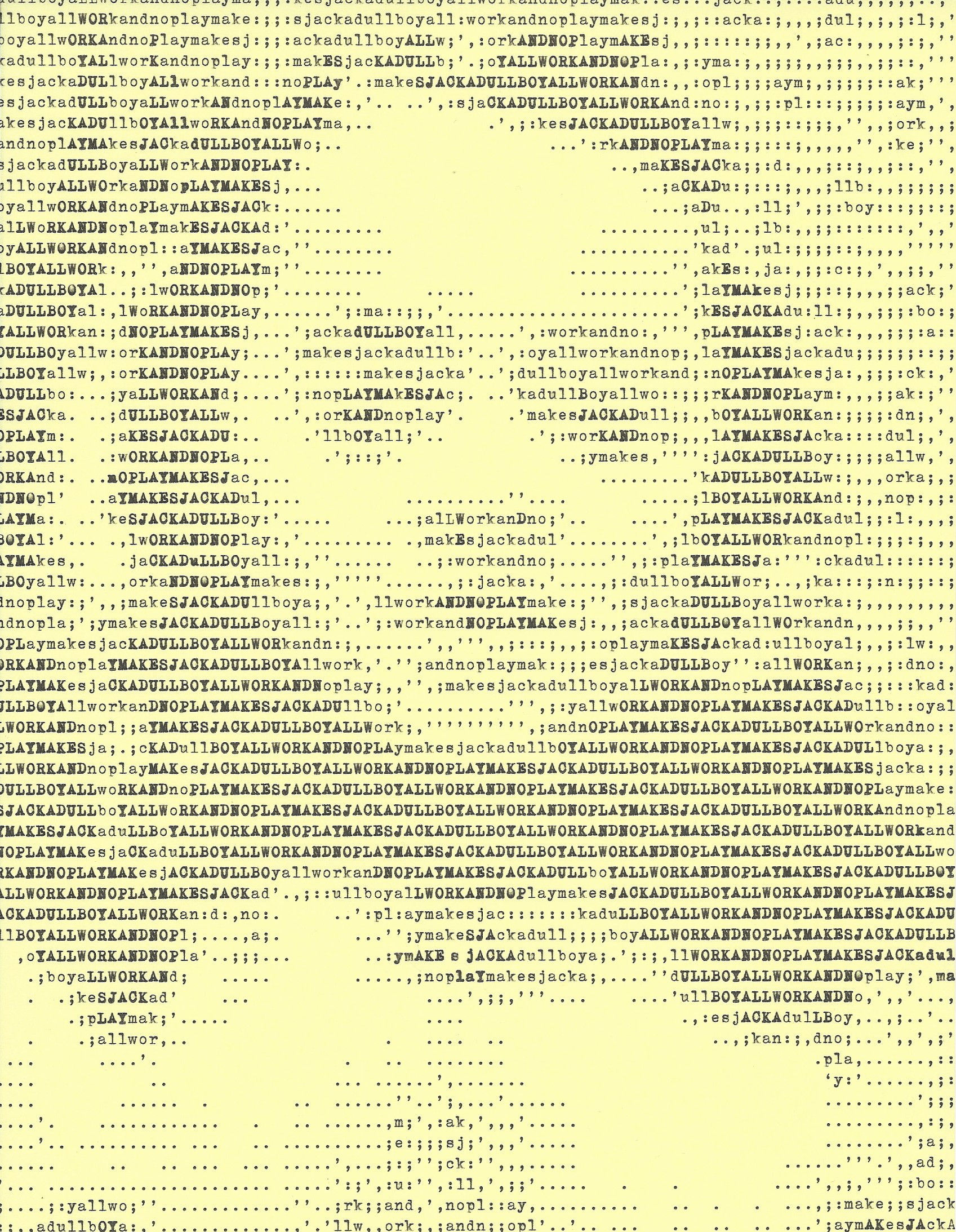
16 x typed replica sheets with All Work And No Play Makes Jack A Dull Boy as discovered by Wendy in the film.
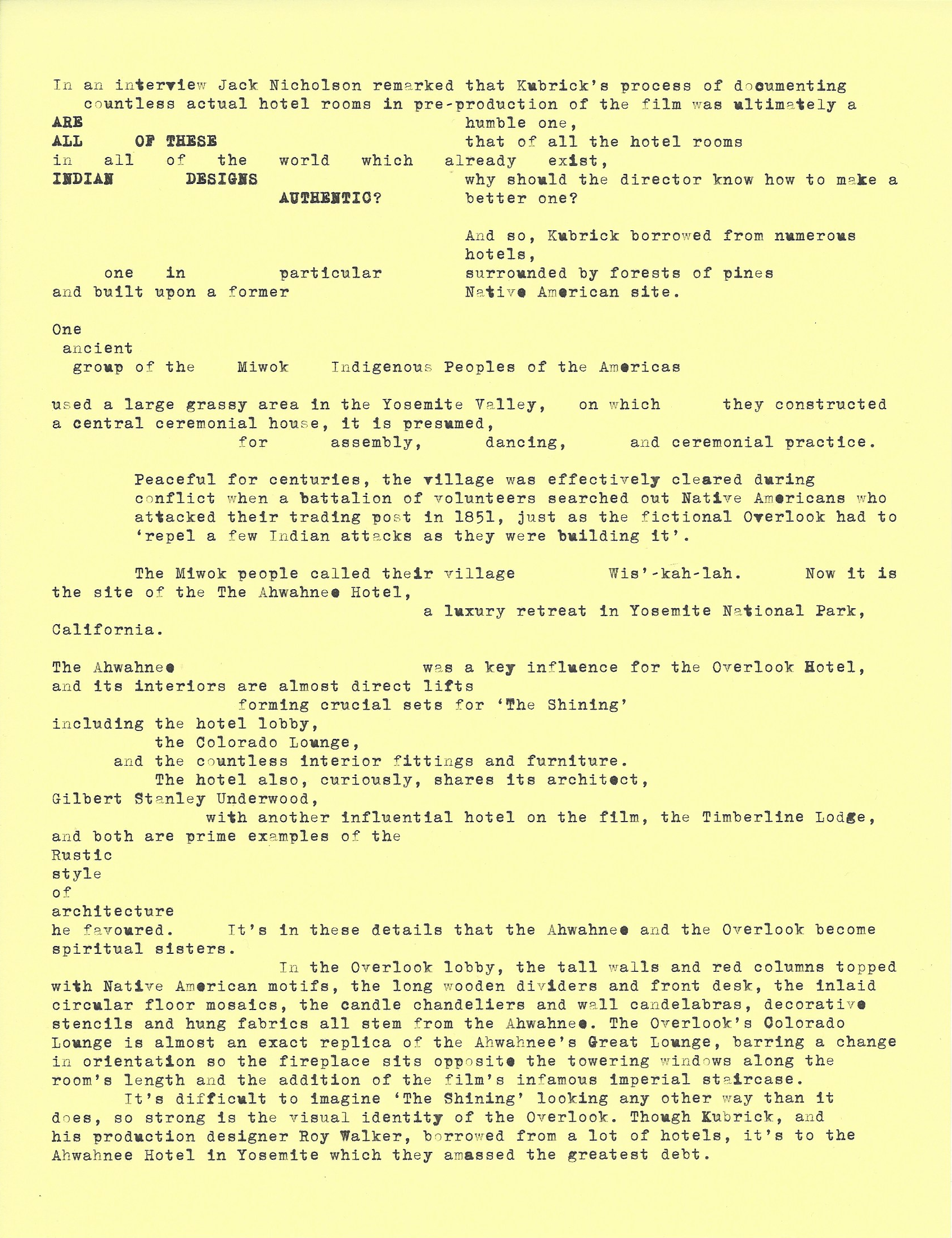
120 x one-page pieces analysing, exploring, and extrapolating the films ideas, themes, influences, contexts and critiques.
10 x original typewriter art portraits made using the same model of Adler typewriter used by Jack Torrance.
Some examples:
Plus “Contributor Booklets” (which are more like brochures):
9 x 8-page cultural contributor essays from a range of celebrated artists, musicians, authors, architects and curators designed to evoke the film’s intertitle cards.
Original and exclusive piece from actor Dan Lloyd (Danny Torrance), an extraordinarily rare opportunity to share memories, stories and insights from this usually private person, as well as the coup of a rare interview with Shelley Duvall (conducted by Ryan Obermeyer) shedding light on her performance and experience of the film.
Artist Gavin Turk examines myths, mirrors and mazes and looks at the film through art, whilst fashion designer Margaret Howell takes us through her iconic maroon jacket worn by Jack in the closing act of the film.
Artist and musician Cosey Fanni Tutti on sound and the unfolding domestic violence within the film. Architecture expert and writer John Grindrod on the role of The Overlook Hotel itself and the impact of such spaces on our behaviour.
Producer and Record Label head James Lavelle (UNKLE) tells of his enduring inspiration and love for Kubrick and his art whilst author Jen Calleja looks into Shelley Duvall, folklore and fairytales.
And BFI Curator and Author Michael Blyth cross-examines the character of Wendy as she appears in both the film and the original Stephen King novel.
3 x 16 page reproduced texts including essays from H.P. Lovecraft, Sigmund Freud, and a short story which was a key influence for Kubrick when developing the film.
H.P. Lovecraft — Supernatural Horror in Literature An extract from the seminal yet largely overlooked essay that significantly influenced decisions not to explain the horrors which unfold at The Overlook.
Stephen Crane — The Blue Hotel First serialised in 1898, the American author’s story was highlighted by Kubrick in interviews as similar to events unfolding in The Shining and offers an insight into the director’s read of the film.
Sigmund Freud — The Uncanny Diane Johnson (co-writer of The Shining) cited Freud’s influential 1919 essay “The Uncanny” as a key text in Kubrick’s research. Freud explores many ideas that are woven through the film: retracing steps, recurring numbers and motifs, and the significance of the double. We will re-publish an extract from the essay.
with:
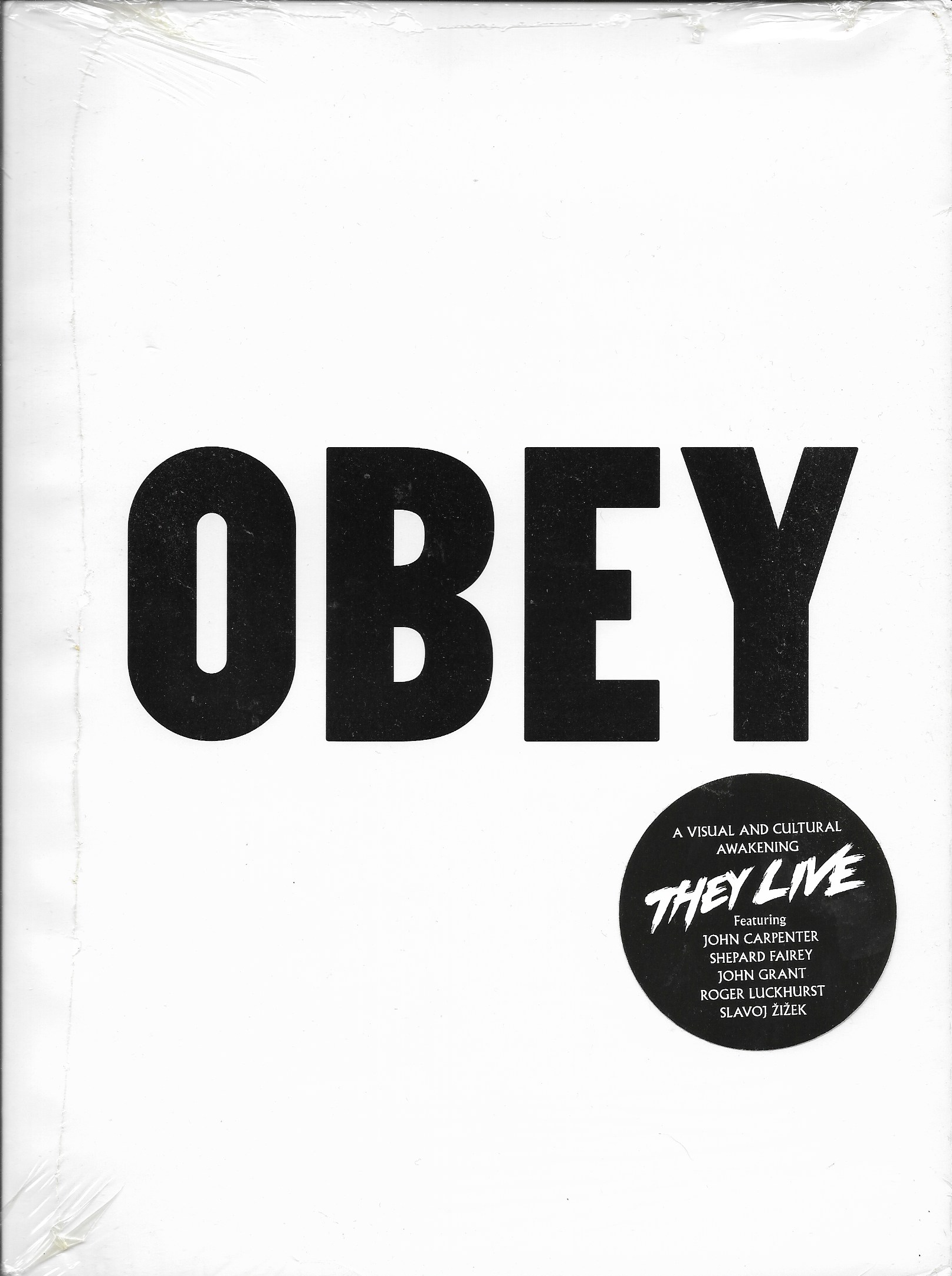
Oldham, Craig, editor. They Live: A Visual and Cultural Awakening. Rough Trade Books, 2018. First edition (stated) trade paperback original, a Fine copy. A critical companion to the 1988 John Carpenter film. Bought as an add-in with the above.
Bought for £65 plus shipping through Kickstarter. You can buy them through their respective Amazon links above.
Another Amazon purchase, one that came in as a first edition and blessedly free of of damage!
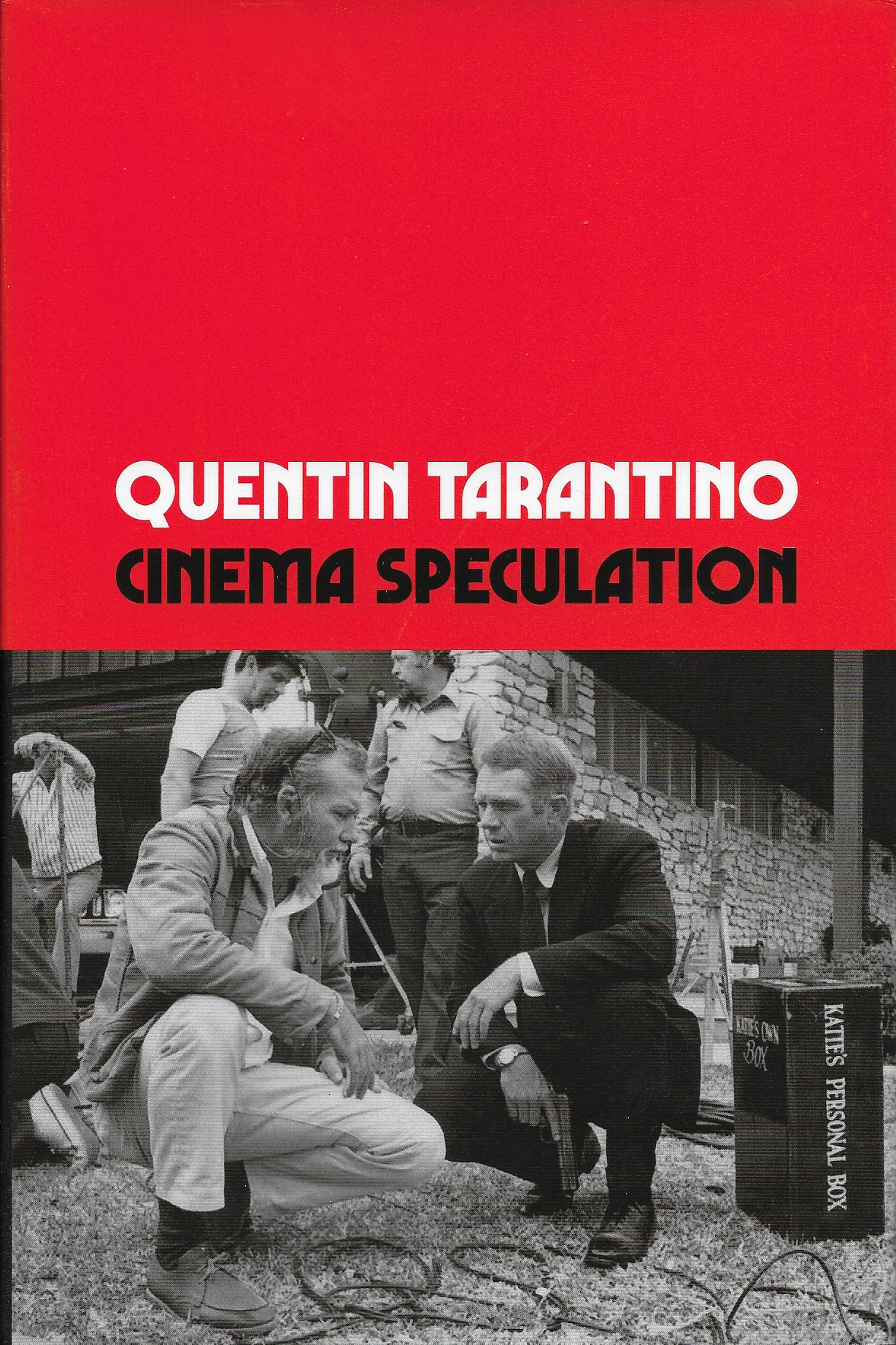
Tarantino, Quentin. Cinema Speculation. HarperCollins, 2022. First edition hardback, a Fine copy in a Fine dust jacket. Non-fiction book about the films Tarantino saw as a child in the 1970s, from Dirty Harry to Taxi Driver. Seems pretty interesting.
One interesting thing about the book physically is that the cover has that rough texture that’s been all the rage recently…except the black and white photo of Steve McQueen and Sam Peckinpah on the cover, which is smooth. I’d never seen a book with two different textures combined like that before.
There’s been a lot of talk lately about AI-generated art. Someone inputted the lyrics to King Crimson’s prog-rock classic “In the Court of the Crimson King” into Midjourney and the results are a lot better than I expected.
Sureal, nameless abominations are the sort of area I would expect AI art to excel in. Skilled painterly depictions of human faces? Not so much.